Which Comes First in Gymnastics: The Cartwheel or the Handstand?
Which Comes First in Gymnastics: The Cartwheel or the Handstand?
When young gymnasts start their journey, one of the most common questions parents and even beginner coaches ask is: “Which skill should be taught first — the cartwheel or the handstand?â€
Both moves are foundational to artistic gymnastics, but the correct learning order can make a big difference in safety, coordination, and confidence.
Understanding the Difference
The Handstand is the ultimate body control position in gymnastics. It requires straight alignment, shoulder strength, and balance awareness. Almost every gymnastics skill — from vaults to bars to tumbling — passes through a handstand position at some point.
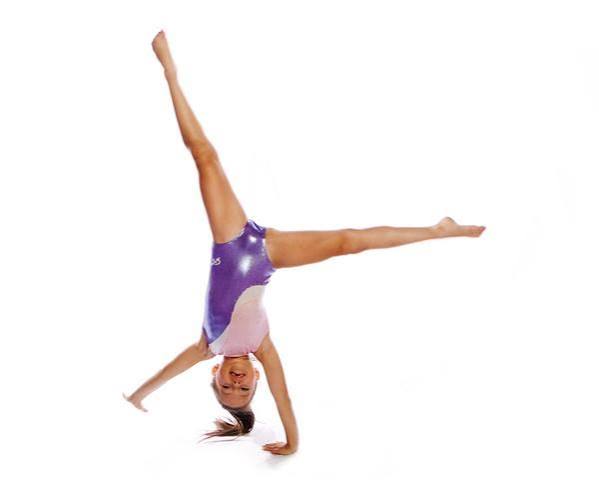
The Cartwheel is a traveling movement that introduces the gymnast to inversion (being upside down) while moving sideways. It teaches coordination, body awareness, and spatial control.
The Correct Learning Order
In most professional programs, the cartwheel comes before the handstand for young beginners.
Here’s why:
1. The cartwheel is more natural for children. Kids learn to move sideways with momentum, which helps them overcome the fear of going upside down. It’s a playful motion that feels like turning over rather than balancing still.
2. It builds confidence for inversion. The cartwheel teaches the gymnast how to support weight on the hands for a short time — a key preparation for the full handstand.
3. It develops directional awareness. Through the cartwheel, gymnasts begin to understand left- and right-side dominance, which later affects their twisting, vaults, and beam work.
4. The handstand requires more control and strength. Once the gymnast can move through an inverted position (cartwheel) safely, the next logical step is learning to hold that position (handstand) with correct alignment.
When to Introduce the Handstand
After mastering the cartwheel with correct hand and foot placement, gymnasts can begin working on handstand drills.
Start with wall-supported handstands to build strength and body line awareness.
Introduce short handstand holds and controlled entries from lunge or step-in positions.
Focus on straight arms, engaged core, and pointed toes — even if the handstand is held for just a second at first.
Common Mistakes to Avoid
Teaching both skills at once before the child develops shoulder strength.
Allowing bent arms or arched backs in the handstand — these habits are hard to fix later.
Skipping the lunge entry and exit technique in both skills.
Forcing the child into balance positions they’re not ready for; progression should be gradual and safe.
How the Two Skills Work Together
Once both skills are learned correctly, they begin to connect naturally.
The cartwheel helps the gymnast enter and exit the handstand with confidence.
The handstand improves control and body line during the cartwheel.
Eventually, they merge into more advanced elements such as round-offs, walkovers, and aerials.
Final Recommendation
For young gymnasts (ages 4–8), start with basic cartwheels, side handstands, and strength drills before moving into full handstands. Once the athlete shows shoulder stability, straight body alignment, and confidence upside down, introduce the handstand as the next key foundation skill.
Remember, gymnastics is a sport of progressions — each step builds the next. With patience, proper coaching, and consistency, both the cartwheel and the handstand become the cornerstone of safe and beautiful gymnastics technique.
Conclusion
In summary: Cartwheel first, then handstand.
The cartwheel prepares the body and mind, while the handstand refines control and balance. Mastering both lays the groundwork for everything from walkovers to flips — and more importantly, builds confidence that lasts for life.