How to Choose the Right Gymnastics Center for Your Child
How to Choose the Right Gymnastics Center for Your Child
Choosing the right gymnastics center is one of the most important decisions parents make when introducing their child to the sport. A good club not only teaches skills but also builds confidence, discipline, and a lifelong love for movement. The following points will help parents evaluate a gymnastics center effectively before registering.
1. Quality of Equipment and Apparatus
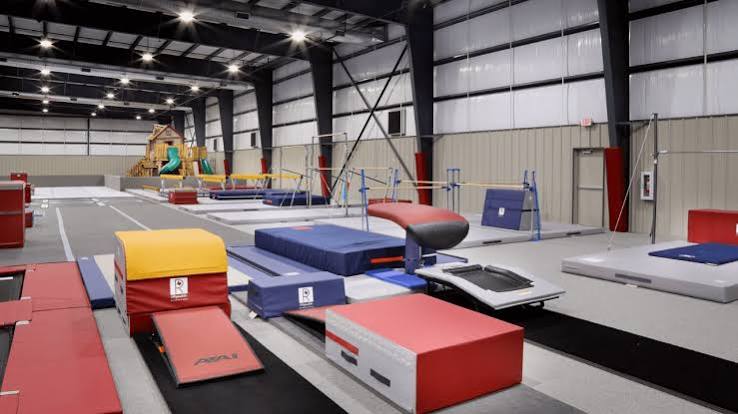
Look for a gym equipped with modern, FIG-approved apparatus such as balance beams, uneven bars, rings, pommel horses, and vaults. Proper mats and padding should be available around all equipment to reduce the risk of injuries.
Check that the equipment is well maintained — clean, stable, and replaced regularly. Worn-out mats or loose connections are warning signs.
If the gym includes a trampoline or foam pit area, it’s a bonus. These provide safer environments for learning new skills and improving air awareness.
2. Safe and Clean Environment
Safety should always come first. Observe whether the gym has clear rules, safe spacing between apparatus, and visible safety signage.
The facility should be well ventilated, clean, and free from clutter or obstacles on the floor.
First-aid kits and emergency plans should be visible, and coaches should know basic first aid.
Parents should feel comfortable leaving their child in the facility, knowing safety is a true priority.
3. Qualified and Caring Coaches
Ask about each coach’s background, certifications, and years of experience. In the United States, coaches should be certified through recognized national organizations such as USA Gymnastics (USAG) or other accredited safety and coaching programs.
Observe a class if possible. Good coaches focus on positive communication, clear progressions, and individual attention rather than yelling or punishment.
Qualified coaches should understand how to train different age groups safely, including preschoolers, recreational gymnasts, teens, and adults.
4. Well-Structured Programs and Levels
Choose a gym that offers a clear pathway — from beginner and recreational levels to competitive teams or adult fitness classes. This helps children (and adults) progress steadily without pressure.
Adult gymnastics or fitness-based classes are also a great sign of an inclusive, active environment. They show that the gym invests in long-term learning and community building.
5. Communication and Administration
Good communication between parents and staff is essential. The administration should be easy to reach, professional, and responsive to messages or concerns.
Check if the gym provides updates via WhatsApp groups, emails, or a parent portal. This shows organization and transparency.
Make sure there is a clear policy for absences, payments, holidays, and competitions.
6. Accessibility and Parking
Consider the location — a gym that’s easy to access saves time and stress.
Look for available parking or drop-off areas, especially if you’ll visit several times per week. A safe and organized parking area reduces chaos and accidents during busy hours.
7. Class Size and Coach-to-Child Ratio
Small class sizes ensure each gymnast gets individual attention. Ideally, there should be no more than 6–8 children per coach in beginner groups.
If classes are too crowded, it’s a sign that safety and quality may be compromised.
8. Reviews and Reputation
Check online reviews and social media pages for parent feedback.
Talk to other families — word of mouth is often the best indicator of a gym’s true culture and values.
A reputable gym is proud of its community and transparent about its achievements.
9. Trial Session and Observation
Before enrolling, ask for a trial class or observation period. This allows you to see how the coaches interact with children and how your child feels in that environment.
Pay attention to the atmosphere — is it friendly, structured, and motivating?
10. Additional Considerations
Parent viewing area: A safe observation area shows openness and allows parents to watch without interfering.
Insurance and registration: Verify that the club has liability insurance and follows local safety regulations.
Balanced training philosophy: Look for programs that combine fun, discipline, and personal growth rather than focusing solely on competition results.
Community involvement: Gyms that organize shows, charity events, or family days build stronger relationships and motivation for young athletes.
Conclusion
Choosing a gymnastics center is about more than finding the nearest or cheapest option. It’s about ensuring your child learns in a safe, positive, and well-structured environment. The right gym will not only teach flips and handstands — it will help your child grow in confidence, responsibility, and lifelong love for movement.