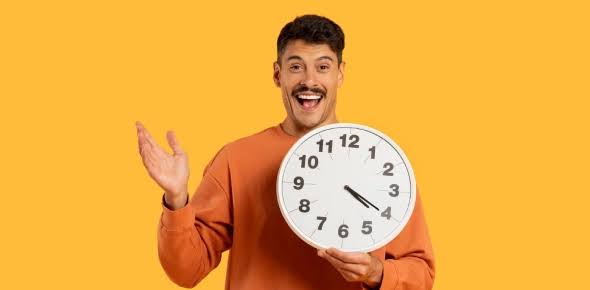
Time Calculation Skill in Gymnastics
Time calculation is a mental skill that every gymnast must learn. Like other mental abilities, it develops through training. In this context, time calculation means the gymnast’s ability to sense and estimate the duration of a movement or routine without using a clock.
In many situations, gymnasts must calculate time — for example, holding strength or flexibility positions such as pressing to a handstand and maintaining balance for 2 seconds. If the gymnast cannot estimate time accurately, judges may deduct points for not meeting the required duration of the element.
It is sometimes surprising to see gymnasts looking at a timer screen during routines when, ideally, they should be able to estimate the time internally. This ability improves through consistent practice, mental preparation, and physical training.
Examples of Time Calculation Exercises
- Close the eyes, count two seconds mentally, and open them when you think two seconds have passed — increase time as the skill improves.
- Close the eyes for ten seconds or even a full minute to test timing accuracy.
- Run a specific distance (e.g., 100 meters) while trying to finish within a predetermined time.
- The coach may ask the gymnast to run 100 meters in exactly 20 seconds.
- Perform giants on the high bar for a fixed time — for example, continue for 15 seconds and stop exactly when time ends. This can also be applied to pommel horse flairs and other variations.
Conclusion
The skill of time calculation is an essential part of **psycho-motor preparation**, helping gymnasts control rhythm, precision, and duration during routines.